
As the clocks go back and the mornings and evenings get darker, running in the UK starts to feel a little different.
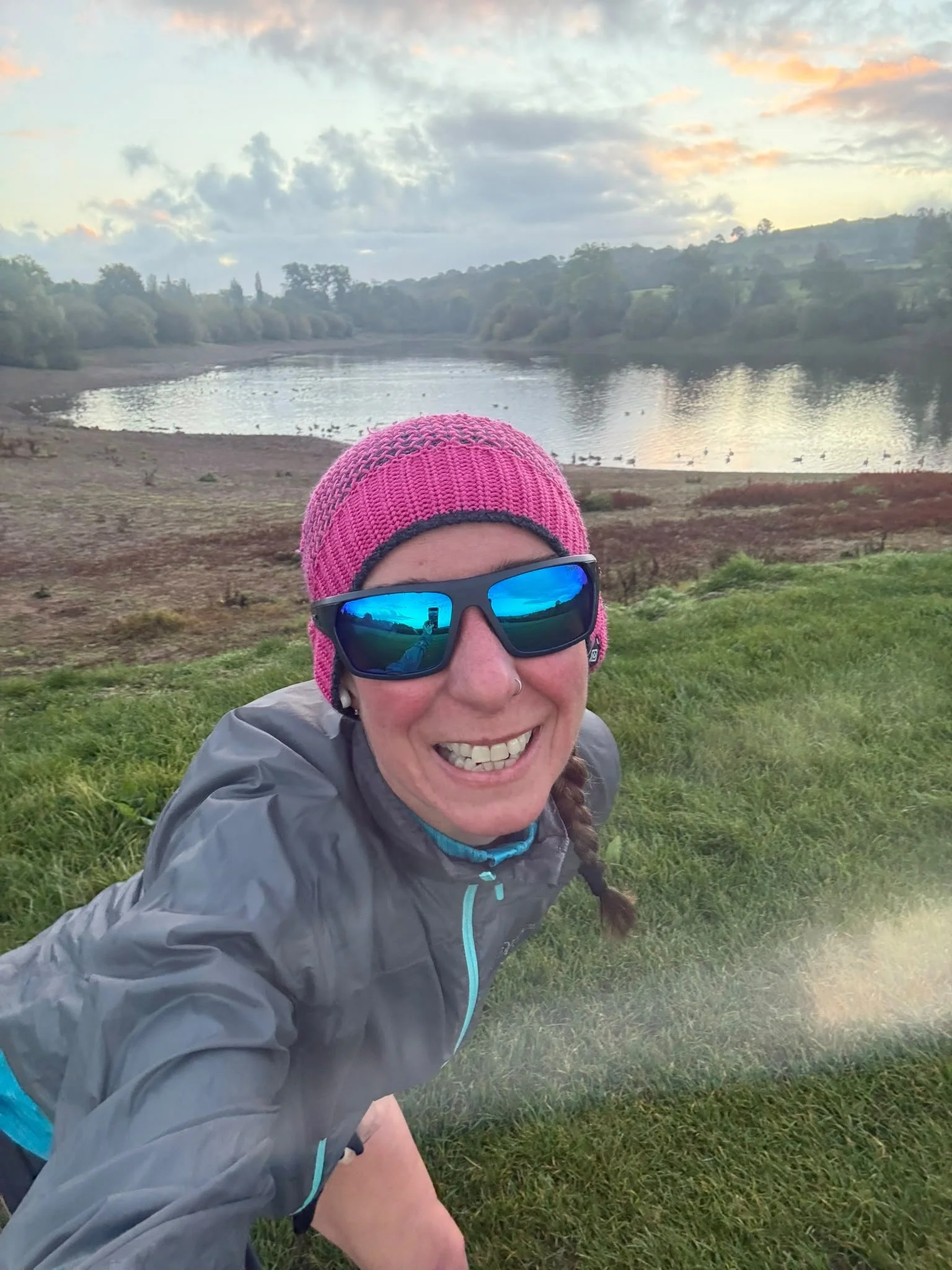
Finding my winter rhythm.
The easy summer mornings, lighter evenings and warmer temperatures are behind us, and suddenly we're digging out the head torches, gloves and winter running kit.
And yes, it can take a bit of adjusting!
But for me, this time of year isn't about stopping or losing motivation. It's about adapting, finding a different rhythm and continuing to show up.
A change in mindset: adapting your running routine for winter
One of the biggest adjustments as we head into autumn and winter is accepting that our usual running routine might need to change.
Perhaps that early morning run doesn't feel quite so appealing in the dark. Could you move it to lunchtime? Run after work? Or maybe you enjoy getting out early with your head torch. There's no right or wrong way to approach it. It's about finding what works for you, your lifestyle and your training.
As a coach, I'm a big believer in consistency, but consistency doesn't mean being rigid. Sometimes a little flexibility is exactly what keeps us moving forward.
Dress for the conditions: what to wear for autumn and winter running
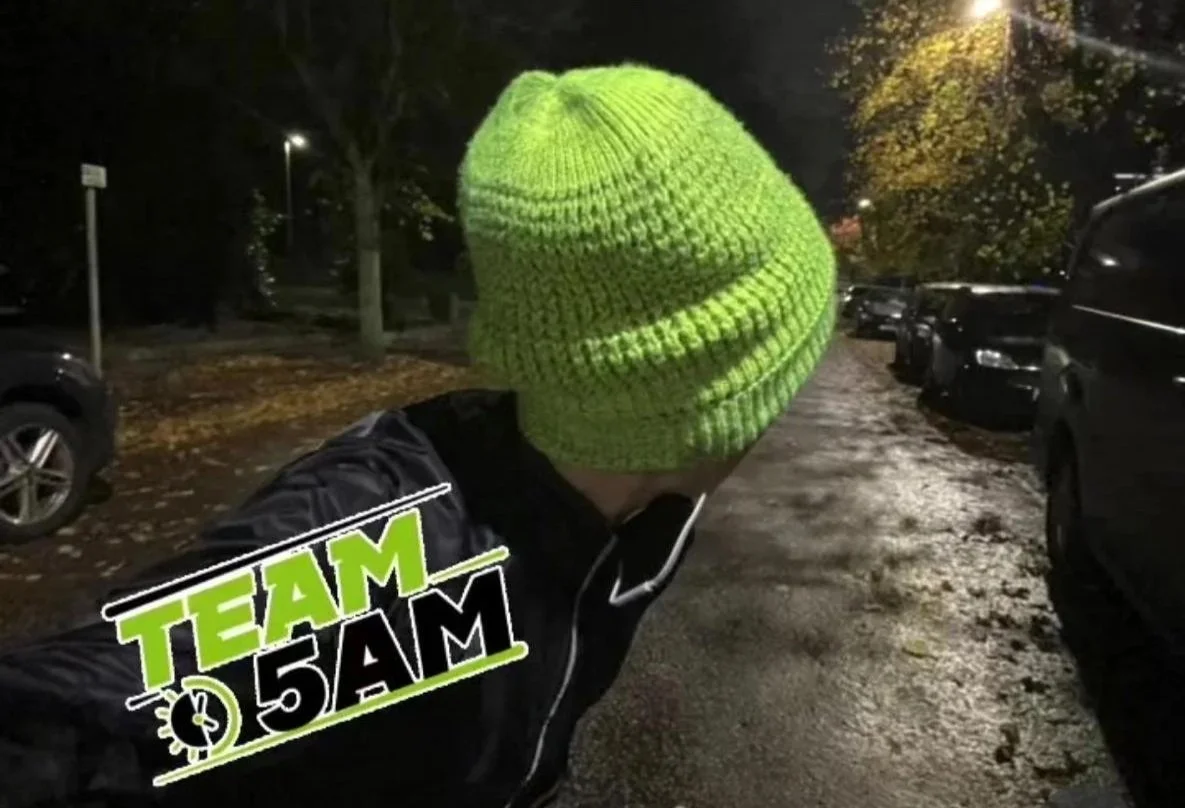
Running in the dark, luminous beanie required
Autumn can be particularly tricky because temperatures can change so much during a run.
You might head out feeling chilly and be peeling off layers twenty minutes later!
I actually really enjoy running in the colder months, especially those longer, easier runs. There's something lovely about getting out in the crisp, cold air.
Where I find it more challenging is with my faster sessions, particularly intervals and tempo runs. I can start off feeling really cold, but as I warm up and the pace increases, suddenly I'm wishing I'd worn less!
It's about finding that balance between being comfortable at the start and not overheating once you're working harder.
This is where having the right kit makes a difference.
A lightweight windproof jacket that you can take off and stuff into a pocket is brilliant for those unpredictable autumn days. Mine is an OMM Sonic.
As we move further into winter, I start thinking about warmer layers, gloves, a woolly hat and thicker socks. If you really feel the cold, hand warmers can make those first few kilometres much more comfortable. And for the properly wet days, a good waterproof running jacket with taped seams is worth considering. You don't need mountains of expensive kit, just a few practical pieces that make getting out of the door a little easier.
Breathing in the cold
As the temperatures drop, try breathing gently through your nose on those colder runs… it helps warm and humidify the air before it reaches your lungs.
If you'd like to explore how your breathing can support your running, I've written more in my breathwork for runners guide.
Be seen, be safe: running in the dark
With darker mornings and evenings comes the need to think a little more about safety. Reflective jackets, headbands and clothing with reflective detailing can all help you be more visible. A decent head torch is useful if you're running where there's little or no street lighting. I use a Petzl. I also think it's worth considering your routes. Perhaps those quieter trails you love in summer aren't the best option on a dark winter evening. Choose routes where you feel comfortable and confident, and remember that being visible to others and being able to see where you're putting your feet are both important.

And if you don't love running on your own in the dark, find your local run club. Running with others means company, safety in numbers and a reason to get out of the door when the sofa is calling. Most clubs welcome all paces, and plenty have groups that meet on weekday evenings through the winter.
Winter miles build summer strength
This is something I often remind my runners.
Not every month needs to be about chasing a PB, increasing distance or preparing for a big event. Autumn and winter can be a brilliant opportunity to focus on consistency, maintenance and building a strong foundation. Those steady runs, the easy kilometres, the strength work and the days when you get out despite the weather… they all count. And when spring arrives, you'll be glad you kept showing up.
Of course, if you've got a spring marathon or another event planned, your training might look a little different. But the principle remains the same. Trust the process. Trust your training plan. And remember that progress isn't always measured by pace or distance.
My client Simon is a great example. His consistency through a tough build paid off with two marathons in seven days this October.
Find what works for you: staying motivated through winter
For me, running has always been about so much more than fitness. It's time outside, fresh air, space to think and an opportunity to step away from everything else for a while. And that doesn't change just because the seasons do. So perhaps the question isn't how do I stay motivated through winter? Perhaps it's how can I make running work for me through winter?
Change the time, change the route, put another layer on, slow the pace if you need to. Just keep finding ways to enjoy it. Because those winter miles and kilometres really do count.
Winter running FAQs
How do you stay motivated to run in winter? Make running work for you rather than forcing your summer routine. Change the time, change the route, put another layer on or slow the pace if you need to. Running with a club can help too.
What should I wear for running in cold weather? Layers you can adjust. A lightweight windproof jacket that packs into a pocket is brilliant for autumn, then add gloves, a woolly hat and thicker socks as it gets colder. On really wet days, a waterproof jacket with taped seams is worth having.
Is it safe to run in the dark? It can be, with a little planning. Wear reflective kit, use a head torch where there's little or no street lighting, choose routes where you feel comfortable and confident, and consider running with a club.
Should you breathe through your nose when running in the cold? On colder, easier runs, breathing gently through your nose helps warm and humidify the air before it reaches your lungs.
Should I keep training for a PB through winter? Not every month needs to be about a PB. Winter is a brilliant time to focus on consistency and building a strong foundation, though if you've got a spring marathon or event planned, your training may look a little different.
Want some support through the winter?
If you'd like help building a plan that works around darker days, a busy life and a spring goal, I'll be opening new coaching spaces in December and January. Book a free 20-minute discovery call now to be first in line, and we'll talk about where you are, where you'd like to get to, and whether working together feels like the right fit.